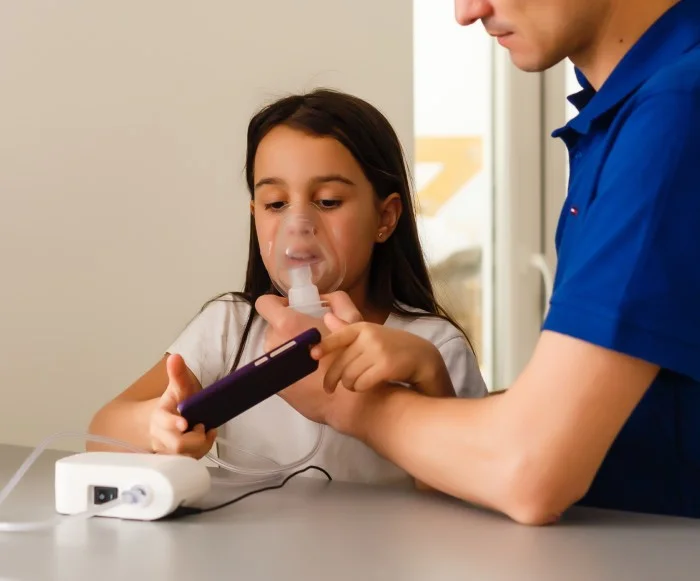
In medicine, a nebulizer or nebuliser is a drug delivery device used to administer medication in the form of a mist inhaled into the lungs. Nebulizers are commonly used for the treatment of asthma, cystic fibrosis, COPD and other respiratory diseases or disorders.
A nebulizer is a small machine that turns liquid medicine into a mist. You sit with the machine and breathe in through a connected mouthpiece. Medicine goes into your lungs as you take slow, deep breaths for 10 to 15 minutes. It is relatively easy to breathe the medicine into your lungs this way.
A nebulizer is a device that turns the liquid medicine into a mist which is then inhaled through a mouthpiece or a mask. Sometimes asthma medication is given through a nebulizer as well, so this information can benefit people living with asthma too.
Growth & Development
Growth and development includes not only the physical changes that occur from infancy to adolescence, but also some of the changes in emotions, personality, behavior, thinking and speech that children develop as they begin to understand and interact with the world around them.
The early years of a child’s life are very important for his or her health and development. Healthy development means that children of all abilities, including those with special health care needs, are able to grow up where their social, emotional and educational needs are met.
Between ages 1 and 2, a toddler will gain only about 5 pounds (2.2 kilograms). Weight gain will remain at about 5 pounds (2.2 kilograms) per year between ages 2 to 5. Between ages 2 to 10 years, a child will grow at a steady pace. A final growth spurt begins at the start of puberty, sometime between ages 9 to 15.
Nutrition and Health
Children need a healthy balanced diet containing foods from each food group so they get a wide range of nutrients to help them stay healthy. Children’s appetites vary depending on age, growth spurts, and how much activity they have done so it’s important to provide appropriately sized portions.
Good nutrition is essential during childhood, as it is a time of rapid growth, development and activity. This is also a vital time for healthy tooth development and prevention of decay. General eating habits and patterns are formed in the first few years of life.
Consider these nutrient-dense foods:
• Protein. Choose seafood, lean meat and poultry, eggs, beans, peas, soy products, and unsalted nuts and seeds.
• Fruits. Encourage your child to eat a variety of fresh, canned, frozen or dried fruits.
• Vegetables.
• Grains.
• Dairy.
Child Health
Child health is a state of physical, mental, intellectual, social and emotional well-being and not merely the absence of disease or infirmity. Healthy children live in families, environments, and communities that provide them with the opportunity to reach their fullest developmental potential.
For children, the right to health is vital because they are vulnerable beings, more at risk to illness and health complications. When children are spared from disease, they can grow into healthy adults, and in this way, contribute to the development of dynamic and productive societies.
The Child Health and Development Studies (CHDS) investigates how health and disease are passed on between generations-not only genetically, but also through social, personal, and environmental surroundings.
About Us
Paediatricians are responsible for understanding the specific needs of a growing child.
+91 9920572030
sparshchildrenshospital@gmail.com
Near Flyover, Poona Link Road, Katemanivali, Kalyan (E) Mumbai - 421306